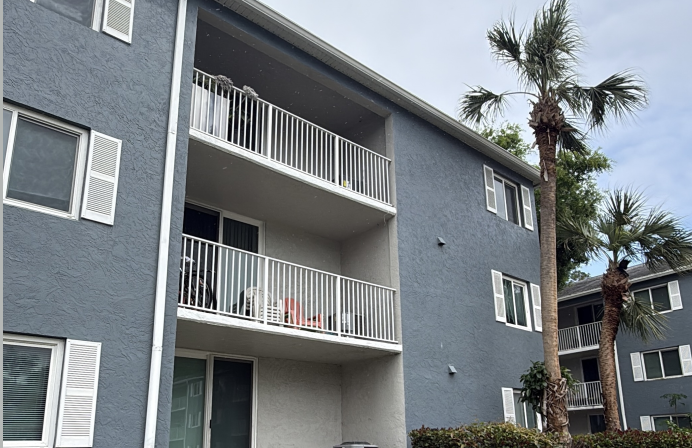
Florida’s buildings face a lot. Humidity, salt air, hurricane winds, and the slow grind of time. That combination is hard on concrete, steel, and everything in between. And when a building starts to fail silently, the consequences can be devastating.
This is exactly why Florida structural inspection laws exist and why property owners cannot afford to ignore them.
Why Florida Takes Building Safety So Seriously
After the Champlain Towers South collapse in Surfside (2021), Florida tightened its building recertification rules significantly. The state now requires older structures to undergo formal inspections at specific intervals. These are not optional. They are legal mandates.
If your building is ageing and you have not looked into recertification requirements, this guide is for you.
The 40-Year and 50-Year Recertification Rules
What Is the 40-Year Recertification?
Any building that is three stories or taller and reaches 40 years of age must pass a formal structural and electrical inspection. After that, it must be re-inspecting every 10 years.
Key things to know:
- The clock starts from the original certificate of occupancy
- Local municipalities enforce these deadlines
- Violations may lead to fines or even closure.
- Miami-Dade and Broward Counties have led the enforcement of this rule
What About the 50-Year Recertification?
Certain counties in Florida also apply a 50-year recertification requirement. The scope is similar but may include additional checks depending on building use and location.
Riva Products and Services manage the complete recertification process for property owners. From scheduling inspections to coordinating with licensed structural engineers and completing all necessary repairs, one call handles everything.
What Inspectors Actually Look For
A structural inspection is thorough. Inspectors evaluate:
- Foundation integrity and signs of settlement
- Concrete deterioration or spalling
- Rebar corrosion beneath surfaces
- Roof structure and drainage systems
- Electrical systems for safety compliance
- Waterproofing and moisture intrusion
Every identified issue must be repaired before the building receives certification. That repair work requires a licensed general contractor in Florida.
How Riva Simplifies the Entire Process
This is where most property owners feel overwhelmed. Coordinating engineers, contractors, timelines, and county submissions is genuinely complex. Riva, a Florida-certified general contractor takes that entire burden off your plate.
Their team:
- Partners with certified structural engineers across Broward and Palm Beach
- Handles all repair work identified during inspection
- Communicates directly with property management companies Internal Page 68 Internal Linking Suggestion:
- Ensures full building compliance without delays
Riva serves Miami-Dade, Broward and Palm Beach Counties, covering dozens of cities across South Florida.
A Quick Reminder for Condo Owners
Condo associations are especially affected by these laws. The board is legally responsible for initiating inspections on time. Missing a deadline is not just a legal risk. It creates liability for every unit owner in the building.
Take Control Before Deadlines Take Over
Structural inspections are not something to postpone. Florida law is clear, enforcement is real, and the safety of occupants matters most. Working with an experienced partner like Riva Products and Services means the process stays organised, compliant and stress-free from start to finish.
Frequently Asked Questions
Q1. When does Florida’s 40-year building recertification become mandatory?
When your building turns 40 years old and stands three or more stories.
Q2. Who qualifies to conduct a structural inspection in Florida?
Only a licensed structural engineer registered in the state of Florida.
Q3. What happens if a building fails its recertification inspection?
A licensed general contractor must complete required repairs before certification.
Q4. Does Riva handle both inspections and post-inspection repairs?
Yes. Riva Products and Services coordinates inspections and completes all necessary repair work.