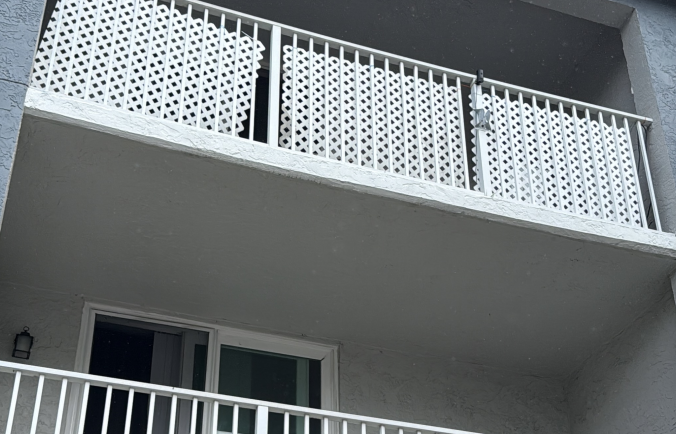
Florida buildings don’t age gracefully. The salt air, the brutal heat, the storms that roll in without much warning, structures here take a real beating. So, when a structural recertification inspection in Florida comes due, a lot of property owners get surprised by the report.
Riva Products and Services, a licensed Florida General Contractor covering Miami-Dade, Broward, and Palm Beach Counties, has worked through hundreds of these. Here’s what keeps showing up.
1. Concrete Spalling and Reinforcement Steel Corrosion
Coastal properties get hit hardest by this one. Salt air quietly works its way into concrete, finds the reinforcing steel and starts the rust process. Rust expands. Concrete cracks and chips off from the inside out.
- Flaking surfaces, exposed rebar, and rust stains are the giveaways
- It weakens load-bearing structures faster than most owners expect
- Structural repairs must strictly follow the engineer’s recommendations
2. Water Intrusion and Moisture Damage
Florida rain doesn’t ask permission. It finds every tiny gap, crack, or poorly sealed joint it can. Water intrusion is flagged constantly during both 40-Year and 50-Year Recertification inspections, often hiding behind wall finishes until real damage is done.
- Causes mould, rot, and gradual structural weakening
- Riva’s team treats water intrusion inspection as a non-negotiable part of every assessment
3. Foundation Settlement or Movement
Florida soil is soft in a lot of areas. Years of gradual shifting show up as uneven floors, cracked slabs, or doors that stick and won’t close right anymore. Some settlement is expected. Significant, ongoing movement is a different story entirely.
- Engineers check if the shift has stabilised or is still active
- Repairs can range from minor grouting to full underpinning work
4. Roof Structural Damage
Storm season is not kind to roofs. Structural engineering inspections in Florida regularly uncover damaged trusses, weakened roof decking, and failed connections between roof and wall systems. The tricky part? Many of these roofs look completely fine from the outside.
- Current Florida Building Code compliance is always verified
- Early repairs protect everything inside and below the roofline
5. Deteriorated Waterproofing Systems
Balconies, podium decks and below-grade slabs. These areas all rely on waterproofing membranes that simply break down with age. During condo recertification inspections in Florida, failed waterproofing is one of the top findings, particularly in older multifamily buildings.
- Cracked or missing membranes let water travel directly into structural slabs
- Full surface preparation is usually required before any reapplication
- Building recertification services must confirm that all repairs meet the current code
6. Electrical and Mechanical System Non-Compliance
Structural inspections aren’t limited to concrete and steel. Engineers flag outdated HVAC, plumbing, and electrical systems too, especially where they interact with the building’s structure. Old conduit penetrations through slabs, for instance, are a genuine structural concern.
- Non-compliant systems can delay or block certification approval
- Riva coordinates across all trades so nothing slips through the cracks
7. Exterior Envelope Failures
Cracks in exterior walls, failed window sealants and deteriorated cladding. These all fall within the structural recertification review. Window frames that have shifted can point to deeper movement within the building, not just a cosmetic issue.
- Exterior repairs and painting often run parallel to recertification work
- Riva handles the full scope, from the first inspection finding to the final finished repair
Early Action Always Costs Less
Every single one of these issues, found early, stays manageable. Ignored, each one grows into a costly, deadline-driven emergency. Riva Products and Services partners with certified structural engineers and then handles all required repairs as a licensed general contractor in Florida. One team, one call, full accountability.
Your Property Deserves a Real Plan, Not Just a Signature
Recertification is not a formality. It is a genuine look at your building’s health. Whether it’s a 40-Year or 50-Year Recertification, what gets found shapes what comes next for your investment.
Riva serves owners, investors, and property managers across South Florida with honest assessments and repairs that actually hold.
Frequently Asked Questions
Q1. What triggers a structural recertification inspection in Florida?
Florida law requires buildings turning 40 or 50 years old to undergo mandatory structural recertification.
Q2. Who performs the structural recertification inspection?
A licensed structural engineer leads the inspection; a certified contractor then completes all required repairs.
Q3. What happens if a building fails its recertification inspection?
Any flagged repair must be completed within a time frame so that the building is completely compliant.
Q4. Can one contractor handle both inspection coordination and repairs?
Yes, Riva coordinates directly with engineers and manages all repairs under one reliable, accountable agreement.