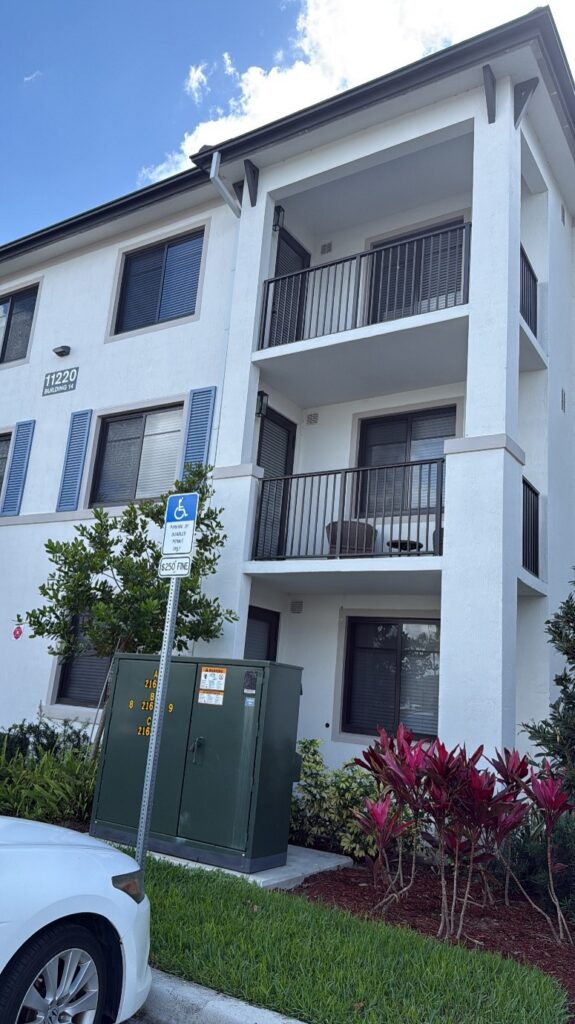
You know that exact feeling when you look around your living room in a high-rise along Brickell, a quiet complex out in Weston, or a beachfront place up in Boca Raton, and you just decide it is finally time for a change? The old carpet is gross. The kitchen walls make you feel totally trapped. You want that bright, open, airy South Florida vibe. But right before you call up a delivery truck packed with beautiful European oak flooring or heavy marble slabs, you hit a massive wall: the Condominium Association Board.
I am Vanesca Mata. Over at Riva Products and Services, our crews spend all year dealing with the absolute headache of Florida Chapter 718 rules, local city inspectors, and strict association bylaws. Let’s be totally real for a second. Fixing up a condo is a completely different ballgame compared to remodeling a regular house. In a condo, you basically just own the air space and the pretty paint on the drywall. Everything else inside those walls actually belongs to everyone else in the building. With Florida cracking down harder than ever on structural safety and soundproofing lately, making the wrong move can get you in deep trouble fast.
Let’s talk about what you can actually touch, what is completely off limits, and how to get your plans approved without losing your mind.
Knowing the Lines: Your Unit vs. Common Areas
In any Florida condo building, everything is split into three tricky zones. Messing this up is the number one reason people get hit with those awful stop-work orders and crazy fines.
|
The Zone |
What Is Inside It |
Can You Change It? |
|
The Unit Interior |
Paint, rugs, cabinets, appliances, counters, and basic non-structural walls. |
Yes. You control it, but the board still has to look at your material specs. |
|
Limited Common Elements |
Balconies, front doors, patios, and your assigned parking spot. |
Sort of. It is yours to use, but you cannot change the color or look at all. |
|
Common Elements |
Concrete floor slabs, big structural studs, main pipes, and electrical lines. |
Absolutely not. The association owns it. Do not drill or cut here ever. |
Big Rules You Cannot Ignore
- The Loud Floor Trap: Ripping out old, ugly carpet for nice vinyl planks or wood? You must buy an approved acoustic underlayment. Most South Florida boards require an STC or IIC sound rating of 52 to 60. If you skip this, the people downstairs will complain, and the board will make you tear it all out.
- Do Not Touch the Concrete Slabs: You cannot just drill a hole into your floor slab to move a toilet or a shower drain. Cutting into that concrete messes with the building structure, which is illegal without a massive association vote.
- Watch Out for Firewalls: Want that open kitchen look? A lot of walls inside these modern high-rises are actually structural shear walls or contain main electrical lines for the whole building. You cannot just knock them down because they look bad.
How to Get Approved Without Getting a Red Tag
The worst thing you can possibly do is try to sneak tools and drywall up the service elevator on a Saturday morning. Building managers watch those security cameras like hawks, and they will shut you down in five minutes.
As a Florida certified general contractor (CGC1538960), our team at Riva does the boring paperwork stuff long before we ever pick up a hammer. Your association is going to want an Architectural Review Committee packet. This means active city permits, detailed drawings, and real proof of heavy liability and workers’ comp insurance. We make sure your new kitchen or bathroom updates fit the local codes perfectly Internal Page 22 Internal Linking Suggestion: so you do not fail your city inspections or waste thousands of dollars.
FAQs
Can I replace my old unit windows with strong impact glass on my own?
You can, but the frames and glass color have to look exactly like every other window in the building.
Am I allowed to move my kitchen sink or washing machine to a completely different wall?
You can move the pipes around inside your own walls, but you cannot mess with the big main drainage pipes that run through the building.
Why does the board need a real engineer report just to tear down one small wall?
They have to be 100 percent sure that the wall isn’t holding up the ceiling or hiding important building wires.
Can I put a cool smart lock on my front door or paint the outside of it?
No, the outside of your front door counts as a common element, so the board decides the look and color.
What happens if I put down new tile floors without showing the board the soundproofing specs first?
They have the legal right to make you rip up every single new tile at your own expense.
Are there specific hours when my workers can actually make noise?
Yes, almost every building rules state that loud work is only allowed on weekdays between 8:30 AM and 4:30 PM.