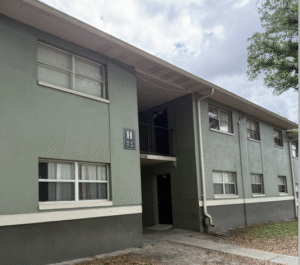
You know that exact feeling of deep satisfaction when you look out over your pristine multi-family complex in Weston, your rental properties along the busy streets of Kendall, or your retail storefront strip up in Pompano Beach? Everything looks perfect. But out here, peace and quiet are always on a strict timer. Between the relentless, baking South Florida sun, the heavy tropical downpours that saturate our soil, and the massive shift in state safety compliance, managing real estate around here is an absolute contact sport. If you wait for something to break before you fix it, you are already losing the financial game.
I am Vanesca Mata. Over at Riva Products and Services, our maintenance and restoration crews spend the entire year helping property managers, commercial asset owners, and condo associations stay way ahead of the elements. Let’s be completely blunt: Florida property management in 2026 is no longer just about mowing lawns and collecting rent checks on the first of the month. New state updates, including mandatory structural reserve rules and strict tenant flood hazard disclosures, mean that your facility upkeep strategy is your primary shield against massive legal liabilities and budget-shattering emergency repairs. This comprehensive guide comes straight from our real, hands-on, boots-on-the-ground experience as local construction and compliance experts. Let’s look at exactly how to build a bulletproof, four-season preventive defense system for your local investment assets.
The Four-Season Playbook: Tracking Systems and Legal Compliance
Managing a property pool out here requires separate, targeted actions across the calendar. When you split your facility protocols into distinct seasonal tasks, you catch small, hidden moisture tracks or system stresses before they turn into failed municipal code violations or expensive tenant disputes.
|
The Target Season |
Critical Focus System |
What the Florida Code Actually Demands |
Practical On-Site Move |
|
Spring Preparation |
The Roof & Gutters |
Clear drains to meet drainage flow minimums before summer storms hit. |
Clean out all downspouts and apply fresh elastomeric flashing seals. |
|
Summer Survival |
HVAC & Ventilation |
Keep indoor humidity strictly under 60% to block toxic spore outbreaks. |
Blow out air conditioning condensate drain lines using high pressure. |
|
Fall Defense |
Hurricane Shutter Shell |
Verify all high-velocity impact window hardware functions smoothly. |
Run test drops on motorized rolling screens and grease manual track slats. |
|
Winter Renewal |
Foundations & Slabs |
Keep up with the strict maintenance laws for load-bearing structures. |
Trace exterior stucco faces to patch minor hairline settling cracks. |
High-Priority Upkeep Steps to Keep Handy
The Air Conditioning Condensate Blast
- Air conditioners work overtime to pull gallons of water straight out of our muggy air.
- Algae blooms grow fast inside those warm, wet plastic drain pipes.
- To stop messy ceiling floods, flush out the main drain lines with a dedicated wet-vac or pressurized air blast at least once every single month.
The Structural Inspection Mandate
- If your property asset stands three stories or higher, you cannot ignore the legal landscape.
- State laws require associations to execute a Structural Integrity Reserve Study (SIRS) covering foundations, roofs, and load-bearing columns.
- Keep a meticulous, time-stamped digital log of every exterior masonry paint seal and balcony repair to satisfy future Phase 1 milestone evaluations. Internal Page 25 Internal Linking Suggestion:
The New Lease Disclosure Trap
- Landlords must now provide explicit written flood damage disclosures to prospective tenants before signing any new agreements.
- If your grounds suffer from poor terrain grading or broken parking lot catch basins, fix them immediately.
- A single unresolved exterior drainage problem can give a tenant the legal right to break their lease if their personal property gets damaged by storm puddles.
Protecting Your Property Value Without Facing Stop-Work Orders
The absolute quickest way to tank your rental income or face severe city code enforcement fines is by hiring a generic, uninsured handyman to execute major system repairs or structural updates on your property lot. Local building inspectors throughout Broward, Miami-Dade, and Palm Beach drive through neighborhoods daily looking for unpermitted utility work or structural modifications.
As a Florida certified general contractor (CGC1538960), our team at Riva completely removes the stress of facility maintenance and capital improvements. We don’t just patch up problems temporarily. We align every single commercial roof coating project, ADA sidewalk adjustment, and electrical panel upgrade with current building codes. We handle the technical compliance details and provide ironclad documentation so your properties stay safe, legal, and highly profitable.
FAQs
How often am I legally required to test the fire alarm and sprinkler systems inside a commercial building?
NFPA regulations require you to have your fire alarm boxes and life safety systems inspected and tagged by a certified technician once every year.
Does a standard building permit cover minor drywall replacements after a small interior pipe leak?
You do not need a permit to patch minor cosmetic drywall sections, but replacing extensive wall runs or main plumbing lines requires a city permit.
Why do local building inspectors care so much about tree branches hanging over my roofline?
Heavy, un-trimmed branches act like structural battering rams against roof tiles during hurricane wind events, which can instantly ruin your storm insurance coverage.
Can a tenant legally break their rental lease if the property AC unit breaks down during the summer?
Yes, Florida habitability laws state that landlords must keep essential systems working, and failing to fix a broken AC within a reasonable timeframe can trigger a lease termination.
What is the safest way to prevent dangerous subterranean termites from invading a block foundation?
You must maintain a clear, unblocked soil boundary around your foundation slab and schedule professional pesticide perimeter treatments at least once a year.
What happens if a condo board completely refuses to fund their long-term structural maintenance reserves?
Failing to maintain adequate structural reserves constitutes a direct breach of financial fiduciary duty for board officers and can lead to severe civil lawsuits.