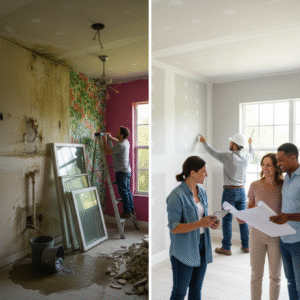
We all know that heavy, sticky feeling in the South Florida air when a dangerous storm is brewing down in the Gulf. Living out in Weston, down in Cutler Bay, or up near Fort Lauderdale means hurricane season isn’t just some abstract calendar page. It is our messy, unpredictable reality. Then the wind stops. The silence hits. And that is when the real headache begins for local homeowners trying to figure out what to do next.
I am Vanesca Mata. Over at Riva Products and Services, my team and I have walked through far too many storm cleanups with our neighbors to count. Look, true hurricane recovery is never just about slapping a quick patch on a leaky roof. No, it is about getting your peace of mind back and fixing up your biggest investment so you can actually sleep at night. This guide comes straight from our real, messy, boots on the ground experience as Florida certified general contractors. We want to help you get through the post-storm chaos without losing your mind or your savings.
First Things First: The Scary Stuff Under the Surface
Before you even grab a hammer, you have got to make sure you are safe. Seriously. Hazards love to hide out in plain sight right after a massive storm rolls through.
- Watch Out for Dead Wires: Do not step anywhere near puddles or standing water if there are loose utility lines hanging down. Call FPL right away.
- Look Up Before Walking In: Check for sagging plaster, shifting porch beams, or exterior walls that look just a tiny bit crooked.
- Trust Your Nose: Smell something like rotten eggs? Get out of there fast. Gas leaks are no joke after a major weather event.

Your Step-by-Step Recovery Plan
Once the wild weather passes, the real work starts. You need a solid system so you don’t end up dealing with nasty, toxic black mold a week from now.
|
Recovery Step |
What You Need to Do Right Now |
Why It Matters |
|
1. Take Photos |
Snap pictures of every single wall, ceiling, and waterline before moving a single piece of trash. |
Insurance adjusters need cold hard proof. |
|
2. Stop the Bleeding |
Throw tarps on the roof, board up open windows, and get that standing water out. |
Keeps the next rainstorm from ruining everything. |
|
3. Fix the Bones |
Repair broken framing, seal up cracks, and rip out soaked drywall. |
Keeps your house standing straight and safe. |
|
4. Check the Rules |
Make sure all your repairs match up with the current Florida Building Code. |
Keeps your home legal so you can retain your insurance. |
Quick Tips from the Field
- The clock is ticking: You have about 24 to 48 hours before mold throws a party in our humid South Florida air.
- Save every single scrap of paper: Keep every receipt from emergency tarping or water-drying crews. You will thank me later when you file your claim.
- Don’t play hero: Leave the tricky structural framing and electrical panels to people who do this for a living.
Why Having a Local in Your Corner Changes Everything
Dealing with the aftermath of a hurricane can make your head spin. Arguing with insurance folks, hunting down structural engineers, and waiting in line at permitting offices in Palm Beach or Miami-Dade is exhausting. Internal Page 34 Internal Linking Suggestion:
As a licensed general contractor (CGC1538960), our crew does not just cover up the ugly spots. We find the hidden water tracks and weak spots that most people walk right past. We handle the whole messy process from the first emergency board up to the final city sign-off. Let’s build it back way stronger so you don’t have to worry when the next storm comes knocking.
FAQs
How long do I have to file my hurricane damage claim down here in Florida?
You generally get one year from the exact day the storm hit to submit your property insurance paperwork.
Can I start fixing things up before the insurance adjuster actually looks at my house?
Only do temporary stuff to stop more damage, like throwing down tarps or boarding windows, before they show up.
Does my regular homeowners insurance policy cover water that rises up from the ground?
No, standard policies don’t cover rising floodwaters, so you need separate coverage through flood insurance for that.
What should I do if I see mold growing after a major storm leak?
Dry everything out fast and call a real mold pro if the fuzzy stuff covers more than ten square feet.
Do I really need a formal building permit for small storm repairs in South Florida?
Yes, almost all structural fixes, roof work, and electrical wire updates require a green light from your local town hall.