Florida buildings age fast. Salt air, humidity, heat cycles, they all quietly chip away at structural integrity. And when a building crosses a certain age threshold, the state steps in and says: Prove it is still safe.
That is what building recertification is all about.
Own a property here in South Florida? Manage one? Invest in one? This process touches you directly. Here is exactly what happens, when it happens, and honestly, who you want handling it.
What Is Building Recertification in Florida?
Building recertification is a mandatory safety requirement under Florida law. Older buildings must pass formal inspections proving they are still structurally sound and electrically safe.
Two age milestones trigger this:
- 40-Year Recertification – once a building hits 40 years old
- 50-Year Recertification – then every 10 years after that
Broward County was among the first to enforce this firmly. Miami-Dade County runs its own similar framework. After the Surfside collapse in 2021, the whole state got considerably stricter, and rightfully so.
The Step-by-Step Recertification Process
Step 1: County Notification
The county notifies property owners as the deadline approaches. Missing that letter, though, does not get you off the hook.
Step 2: Hire a Licensed Structural Engineer
A certified structural engineer must physically inspect the building. No shortcuts here. They check load-bearing elements, foundations, columns, overall structural condition and the works.
Step 3: Electrical Inspection
A qualified electrical inspector reviews wiring, panels, and safety systems. Both inspections need to be completed and fully documented.
Step 4: Submit the Engineer’s Report
The engineer submits a formal report to the local municipality. Clean report? Building gets recertified.
Step 5: Fix What Is Flagged
This is where owners get caught off guard, genuinely. Any deficiencies found must be repaired by a licensed general contractor before recertification moves forward.
Common Problems Found During Inspections
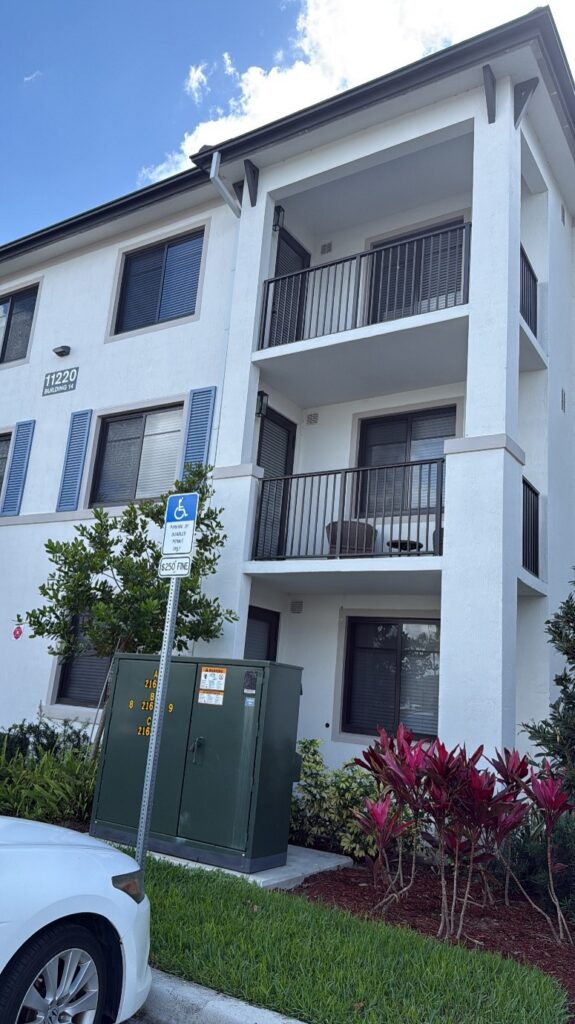
- Concrete spalling on balconies, columns, or parking structures
- Corroded rebar sitting beneath concrete surfaces
- Outdated or overloaded electrical panels
- Water intrusion damage near windows, rooflines, or facades
- Foundation settling or visible structural cracking
Not one of these is a minor issue. Each requires documented repair from a certified contractor, full stop.
Why Property Owners Trust Riva for Recertification
Riva Products and Services manage the entire process, from coordinating with certified structural engineers across Broward and Palm Beach, to completing every required repair as a Florida-licensed general contractor (License No. CGC1538960).
Their team works directly with property management companies throughout Miami-Dade, Broward, and Palm Beach Counties, cutting out confusion and keeping things moving.
- Single point of contact for both inspections and repairs
- Fast turnaround, particularly for urgent structural findings
- Full compliance confirmed before final submission
Do Not Wait for the County to Call You
Waiting on a notice is not a plan. Buildings that stay ahead of recertification timelines avoid penalties, emergency repair costs, and legal risk. Acting early always costs less than reacting late.
Frequently Asked Questions
Q1. What triggers a 40-year building recertification in Florida?
A building turning 40 years old triggers mandatory structural and electrical recertification inspections statewide.
Q2. Who can legally perform a recertification inspection?
These inspections can only be legally carried out by a licensed structural engineer and a qualified electrical inspector.
Q3. What happens if flagged repairs are not completed?
The county can either fine, limit occupancy or condemn the building until all repairs are approved.
Q4. Does Riva handle both the inspections and the repairs?
Yes. Riva coordinates certified engineers for inspections and completes all required repairs as a licensed Florida contractor.