We remember walking through a massive 120-unit complex near Pembroke Pines right after a brutal July downpour. The storm drains were completely backed up. Water was creeping dangerously close to the ground-floor lobbies. The property manager looked frantic, juggling angry tenant phone calls while waiting for a plumbing crew that was hours away. It was a classic case of reactive upkeep, and honestly, it destroys building budgets down here in Florida.
In our world, waiting for something to break is the most expensive way to run a building. I am Vanesca Mata, and at Riva Products and Services, my team and I created this realistic, year-round playbook. When you manage large-scale sites, you are fighting constant humidity, salt air, and sudden tropical storms.
Here is how we break down the work to keep your property running smoothly month by month.
Q1 (Jan to Mar): Post-Winter Exterior Checks and Waterproofing
The cooler months are your secret weapon. This is the perfect window to check everything outside before the baking heat returns.
- Inspect the envelope: Walk your walkways and parking structures for thin cracks.
- Seal the gaps: Fix balcony joint sealants before spring showers start.
- Schedule paint touch-ups: Exterior coatings go on best when humidity is low.
Q2 (Apr to Jun): Pre-Hurricane Prep, Roofs, and Drainage
This quarter is all about getting ready for the big storms. If you wait until July, finding reliable building maintenance contractors Florida becomes a total nightmare.
- Clear the path: Clean every single storm drain and catch basin around your parking lots.
- Check the roof: Look for loose flashing or old ponding water issues on flat roofs.
- Trim the trees: Cut back heavy limbs from your main power lines and roof edges.
Q3 (Jul to Sep): Hurricane Protocol and HVAC Stress
This is prime storm season. The humidity is thick, and your mechanical systems are working overtime.
- Keep it cool: Service your main HVAC compressors twice a month to avoid sudden system failures.
- Test the backup plans: Run your emergency generators under load so they actually kick on when you lose power.
- Secure the loose stuff: Make sure patio furniture and loose tools can be quickly secured or locked away.
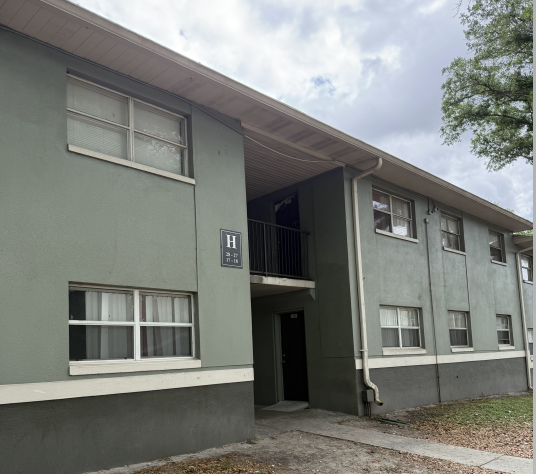
Q4 (Oct to Dec): Post Storm Assessments and Annual Structural Reviews
Once storm season calms down, it is time to check the structural health of your assets.
- Look for hidden leaks: Scan high unit walls for fresh moisture stains or window seal failures.
- Review compliance logs: Check your maintenance records to keep local county inspectors happy.
|
Season |
Main Focus |
Top Benefit |
|
Q1 |
Waterproof Sealing |
Stops deep concrete rot early |
|
Q2 |
Drainage and Roofs |
Prevents major flooding disasters |
|
Q3 |
HVAC and Generators |
Keeps your tenants safe and comfortable |
|
Q4 |
Structural Audits |
Keeps your building legal and compliant |
Keeping Up with Your Recertification Milestones
Florida state laws are now incredibly strict about building safety milestone inspections. You cannot just treat major building upkeep as a distant issue. Keeping a digital paper trail of your regular roof repairs and concrete work makes your official structural inspections go a lot faster. It also protects your association reserves from sudden, massive assessments that panic your residents.
How Riva Simplifies Your Operations
You do not have to chase down five different vendors to handle your property. We build custom, ongoing property maintenance services Florida programs specifically tailored to large complexes. When the same crew handles your drywall, your drainage, and your structural compliance, there’s no vendor hand-off where things slip through the cracks. From routine drywall work to complex structural compliance, we keep your asset values high and your stress levels low.
FAQs
Why do South Florida flat roofs fail faster than normal?
The brutal daily sunshine dries out the roofing membranes until they split open.
How often should commercial storm drains get cleared out?
Clean them out thoroughly every spring before the heavy summer rains arrive.
Can routine maintenance help lower our building insurance rates?
Yes, clear proof of roof updates and water mitigation can help keep your premiums down.
What is the fastest way to check for balcony steel rust?
Look for tiny rust-colored stains bleeding through the exterior concrete surface.
Do we need permits for everyday property repair work?
In most cases, no, but structural or electrical work typically does, and requirements can vary by municipality, so it is worth confirming with your local building department.
Ask Riva About Ongoing Maintenance Programs
Do not wait for a major plumbing disaster or a failed county safety inspection to take action. Protect your large-scale investment with a team that understands South Florida infrastructure inside and out. Contact Riva Products and Services today to set up an on-site evaluation and build a reliable, stress-free strategy for your commercial property maintenance Florida needs.